So they wait until they can ask another designer for guidance. A senior designer who has seen the problem before can name what is actually going wrong, explain the trade-off they couldn't see on their own, and send them back in with enough confidence to try again.
How do we help junior designers start without waiting for direction?
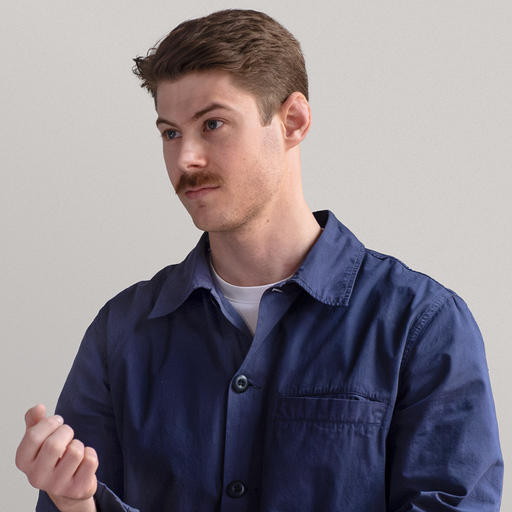
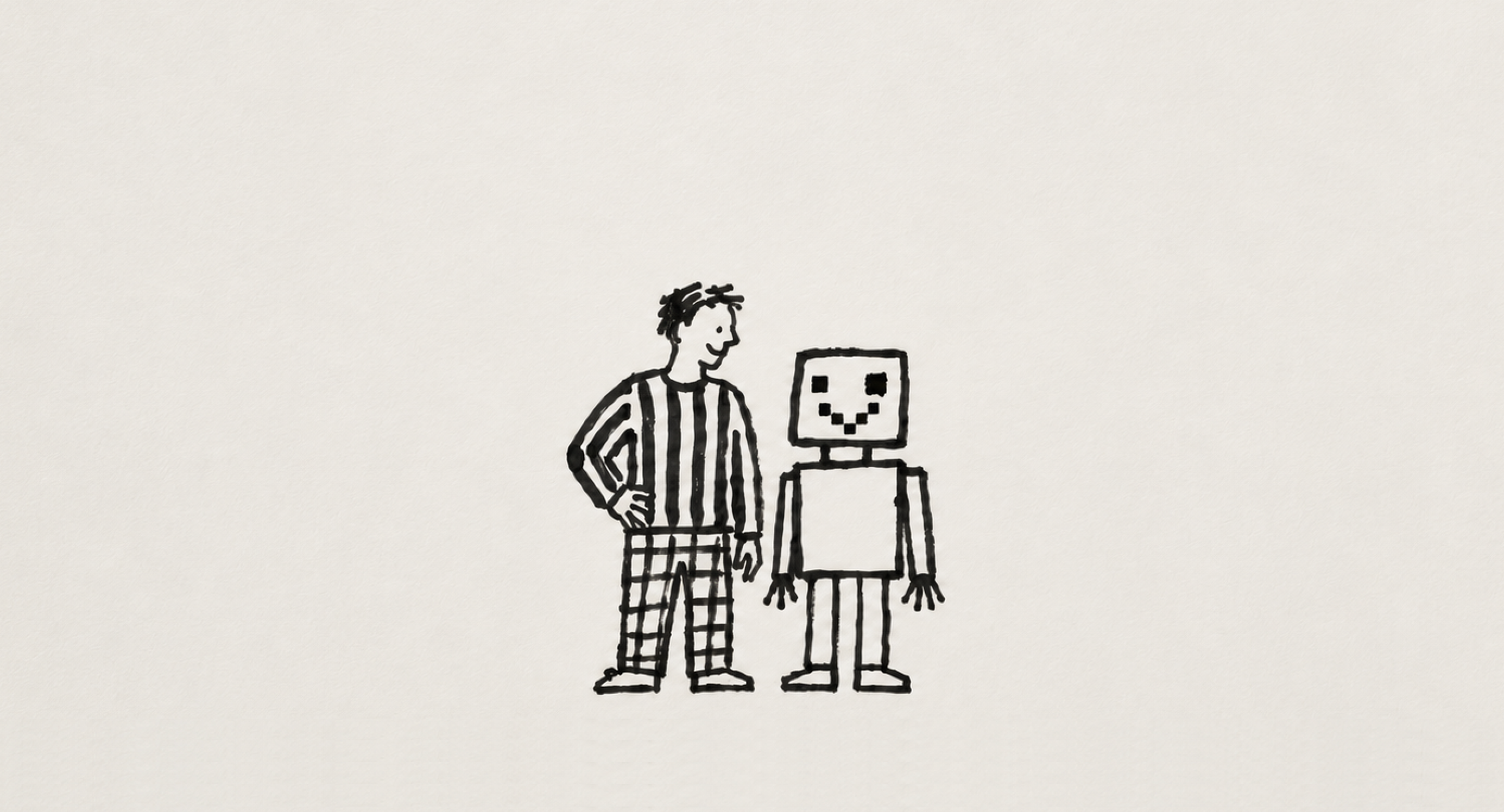
We've handed our designers an agent. Actually, everyone got one, but the biggest difference has been with the juniors: it has given them the confidence to build.
An agent can be the person you ask before you ask the person. It can tell you the most common action to take next or can challenge the structure of a half-formed idea before you've spent time on it. It doesn’t replace the judgement of an experienced colleague. It gives the junior a way to arrive at that conversation better prepared.
The agent is called Kit. Giving it a name turned out to matter. We found it easier to talk about what it did well and what it didn't when it was not just a nameless tool. Kit has many skills that have been built by working with our senior designers. Some of the skills are creating sitemaps, wireframing, user journeys etc. Like Neo in the matrix Kit can also download new skills for example we recently connected it to Mobbin to allow it to gather UI screens for our designers directly into their figma file. Making it more useful for our designers.
A junior who would have spent the morning unsure where to start can have three or four versions on screen by lunch.
There are obvious limits. Agents can sound certain when they’re wrong. They don’t understand the organisation, the client or the people using the product unless we give them that context. Their feedback needs testing, just like any other input.
But a junior who learns to question an agent is practising something important. Working out why a confident answer is wrong requires the same skill as challenging a stakeholder or colleague on their opinions. The agent is simply the cheapest place to get good at it, because telling it no costs nothing.
Put together, it becomes the loop above. Ask Kit where to start. Challenge what comes back. Decide what survives. Then repeat, carrying what the last round taught into the next ask.
There's another worry, which is style. If everyone starts from the same agent, won't the work all come out the same, and how does a junior ever develop a taste of their own? But a style has never arrived fully formed on day one. It builds from seeing a lot of work and noticing what you like and what you don't. Every version they reject teaches them something about their own taste, the same way every version they keep does. As well as educating their own tastes, it educated their agent. Each person has a unique craft notes file that fills up with their personal preferences. Meaning Kit learns how you like to work as you go.
The feedback so far has been good and people are finding Kit a useful companion. Although we don't yet know how this will turn out. What a designer shaped by this new process will look like ten years in, whether their judgement will build faster or just differently, if it will affect their craft. I’m interested to find out.